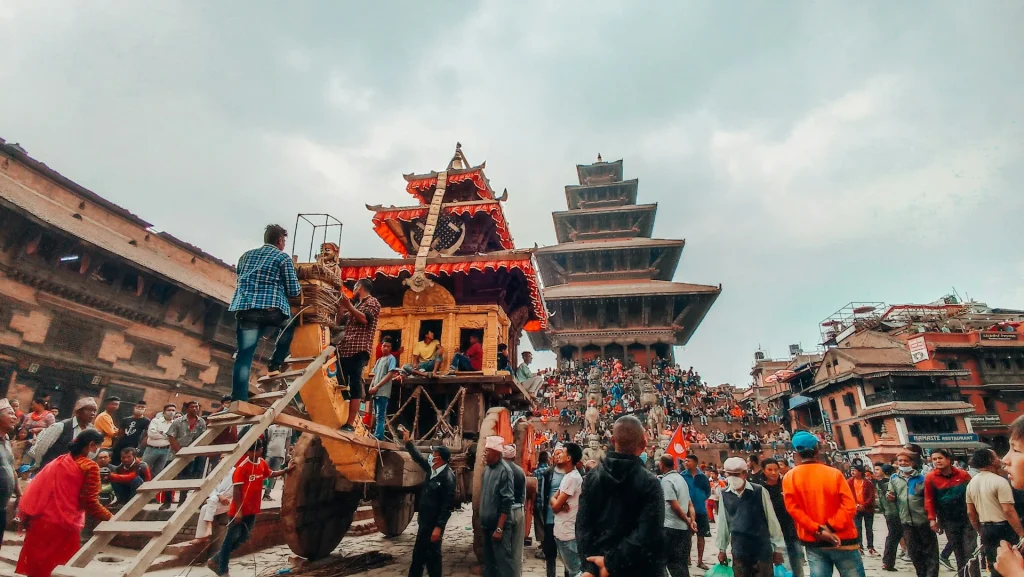
A Tour Plan for Nepal: How to Structure Two Weeks
A tour plan for Nepal works best built around three or four places, not eight. The country is small on a map and slow on the ground, so the itineraries…
 Ankit Mishra
Updated on
Is Nepal safe? For most travellers, yes, as long as you stay out of the flood-hit area of Rasuwa, north of Kathmandu. The US, UK and Canadian governments all advise caution, and none of them advises against visiting the country as a whole. The risks that matter are physical: earthquakes and floods, mountain roads, domestic flights and altitude. Serious crime is low, according to the UK, although pickpockets work the busy parts of Kathmandu.
We checked each government’s advice on 5 October 2026. Advice changes, so read it again before you fly.
Who this guide is for: travellers deciding whether to visit Nepal in the coming year, and anyone who has seen news of the 2025 protests or the August 2026 flood and wants to know what it means for a trip. Every risk below links to the government or Nepali newspaper that records it.
Best for: weighing the real risks, region by region, before you book.
When to use it: before you commit, and again a few weeks before you travel.
Less useful if: you plan to climb a Himalayan peak, which needs specialist advice.
All three advise caution, and none advises against visiting Nepal as a whole. This is where each stood on 5 October 2026:
| Overall advice | Area singled out | What it stresses | Last updated | |
|---|---|---|---|---|
| United States | Level 2: Exercise Increased Caution | Do not travel to the Rasuwagadhi, Timure and Syafrubesi area of Rasuwa | Natural hazards. Says the 2025 protests have stopped | 31 August 2026 |
| Canada | Exercise a high degree of caution | Avoid non-essential travel to Rasuwa and Nuwakot | Politics and security | 31 August 2026 |
| United Kingdom | No advice against travel | None, though it warns of the Rasuwa flood | Protests, road and air safety, and the monsoon | 1 October 2026 |
The three read the same country differently. The US advisory, as posted by the US Embassy in Kathmandu, says “the nationwide demonstrations that began in September 2025 have stopped, and the security situation is stable”, and notes that earthquakes “can happen suddenly with little warning, including in the Kathmandu Valley”. Canada leads with politics, citing “the fragile political and security situation”. The UK Foreign Office names no single reason, and simply reminds readers that “no travel can be guaranteed safe”, which is true of any country you could visit.
On 26 August 2026, a flash flood came down the Bhotekoshi valley in Rasuwa, in what the Kathmandu Post called Nepal’s worst flood disaster in years. It “struck around Timure and Syaphrubesi, close to the Nepal-China border”, the Kathmandu Post reported, before rushing into the Trishuli river system. By 4 September, Nepal Police put the toll at 1,290 dead and 4,798 missing, according to The Himalayan Times.
Visitors were among those caught by it. On 15 September, Nepal’s Department of Tourism reported 607 foreign tourists from 34 countries missing, Republica reported. The department said they had travelled to Gosainkunda for the Kailash Mansarovar pilgrimage and the Janai Purnima festival.
For a trip now, the limits are narrow. The US and Canada single out only the flood-hit districts in the table above, and the road north to the Rasuwagadhi border crossing runs through them, as do the paths to Gosainkunda and Langtang. None of our journeys goes there. After the flood, Nepal’s government told the world that its other regions remained open, the Kathmandu Post noted, and on 2 September the US Embassy said that “Kathmandu Valley is not directly affected by the Rasuwa flood, and most areas of Nepal remain open to travelers”.
Yes. No advisory restricts Kathmandu, and the US says the security situation is stable, although protests can still happen. In September 2025, anti-corruption protests led by young Nepalis turned deadly. On the second day, “government buildings, businesses, hotels and private houses were set on fire”, and more than 70 people were killed in two days, the Kathmandu Post reported. The prime minister resigned, and an interim government took over until elections.
Those elections took place on 5 March 2026, and Balendra Shah, a former mayor of Kathmandu, became prime minister on 27 March with a comfortable majority, the Kathmandu Post reported. The US now says “the nationwide demonstrations that began in September 2025 have stopped, and the security situation is stable”, while adding that “demonstrations and local unrest can still happen, particularly in cities”. Canada still describes the situation as fragile, and the UK notes that protests “can start at short notice”.
The practical advice from all three is the same: keep away from protests. A private vehicle helps here, because a driver can simply take another road.
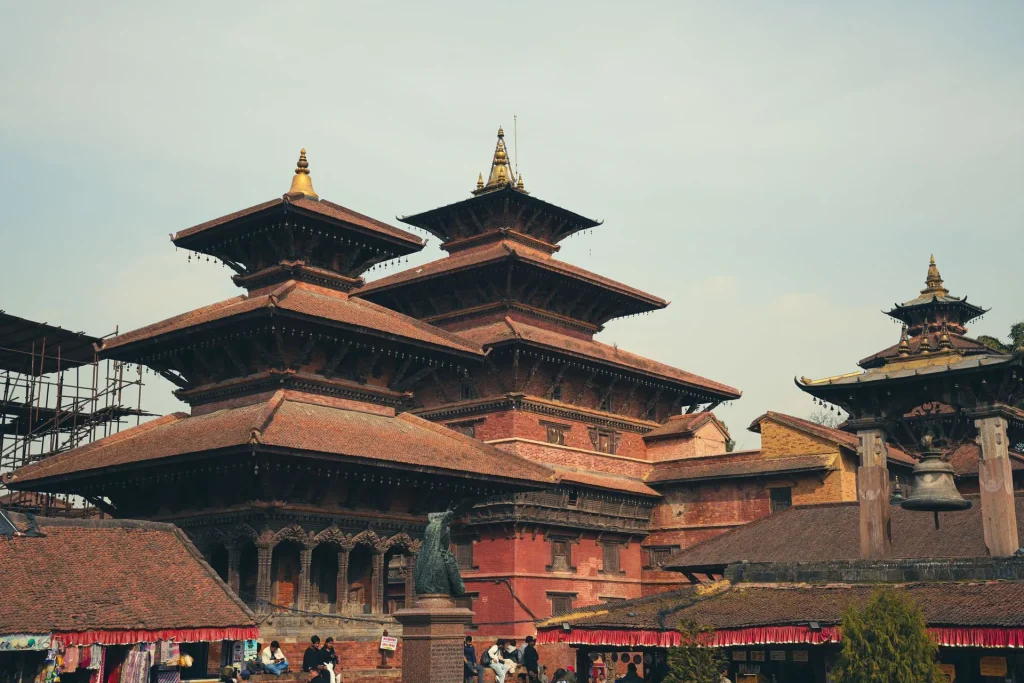
The rate of serious crime is low, and petty theft is the main risk. The UK says “there’s a low rate of serious crime in Nepal”. It warns of pickpockets and bag snatchers in airports, on buses and in busy areas such as Thamel, Sanepa and Kupondol in Kathmandu. Canada adds that theft rises in the festival season, from September to November, and that solo trekkers are sometimes the target of armed robbery.
None of this asks much of you. Keep your phone and passport close in Thamel, and never trek alone, which Nepal rules out in any case, since independent trekkers must hire a licensed local guide, as Canada’s advice notes.
Yes, with the everyday care you would take in any large city. Canada and the UK both advise women to take extra care, especially when alone after dark in the busy parts of Kathmandu, such as Thamel and Sanepa.
On a private journey you are rarely on your own. Your guide and our host are with you through the day, and a private vehicle takes you door to door.
Flying in Nepal’s mountains carries real risk, and most of it comes from the terrain and sudden changes in the weather. A Nepali Times analysis of crashes between 1952 and 2022 found that 92% of deaths came in accidents where “an airworthy aircraft slams into a mountain hidden in cloud”. The Civil Aviation Authority of Nepal’s 2016 safety report pointed to “hostile topography, adverse weather patterns and unavailability of en-route weather information”, the Kathmandu Post reported. Many mountain airstrips sit “in narrow valleys between high mountains or on ridges”.
The UK makes a similar point. Its advice says air crashes “are not necessarily linked with poor safety standards”. Even so, it lists every Nepali airline on its Air Safety List, which bars them from flying to or from the UK, and it counts at least 100 deaths in plane and helicopter accidents over the last five years. Canada makes no assessment of domestic airlines.
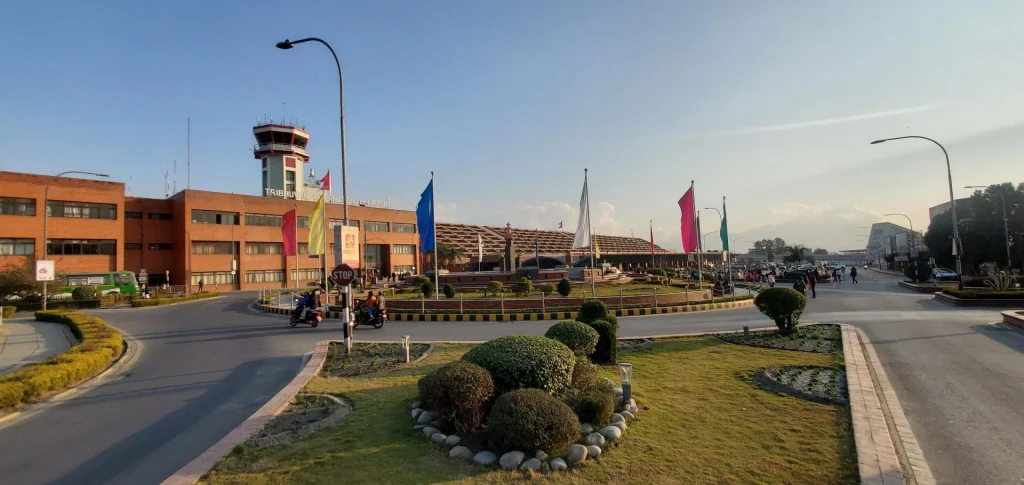
So the weather is the risk worth planning around. Mountain flights fly by sight, under visual flight rules, so they wait for clear skies. We keep a spare day near the end of every journey, which means a delayed flight costs a day in Kathmandu instead of your flight home, and nobody has a reason to rush a take-off in doubtful weather.
Road travel is one of Nepal’s larger risks. The UK says “road accidents are a major cause of death and disability in Nepal”, and both governments single out buses. Canada advises against overnight buses, and notes that hill roads can become impassable in the monsoon because of landslides.
This is the easiest risk to reduce. Our guests travel only in a private vehicle with a driver, never on a public or tourist bus.
An earthquake can strike at any time, while the monsoon comes every summer, so each needs a different plan. Canada notes that Nepal “is located in an active seismic zone”. The UK suggests asking your tour operator what plans it has for an earthquake. Ours starts on the first day: every guest receives an emergency briefing on arrival, covering who to call, where to meet and how an evacuation would work.
The monsoon is easier to plan for. The US and Canada date it from June to September, when heavy rain brings flash floods and landslides, and the UK extends it into October. Our guide to the best time to trek in Nepal works through Nepal’s own weather records, month by month.
Altitude illness can affect anyone, and the main defence is a slow climb. The UIAA’s medical commission advises that above 2,500 to 3,000m, each night should be planned no more than 300 to 500m higher than the last. Anyone whose symptoms do not improve, or worsen, within 24 hours should descend. Its guidance applies to every high trail in Nepal.
On our journeys, the guide’s call is final. Our terms say your guide “is trained to recognise it and their decision to descend is final”. Both governments also warn of helicopter rescue scams, in which trekkers are taken too high too quickly and then flown out at great cost. So choose a registered operator and an insurer that covers rescue. Our guide to the luxury Everest Base Camp trek shows how altitude shapes even the most comfortable route.
Kathmandu has the country’s best hospitals, and serious cases often leave Nepal, so insurance matters. The US says Kathmandu’s hospitals “are usually better than in other areas, but they can be crowded, may lack some equipment or medicines, and often ask that you pay before treatment”. Canada notes that “medical evacuation to Bangkok, Thailand; New Delhi, India; or Singapore is often necessary for serious conditions”.
That is why our terms require insurance covering “trekking to the maximum altitude on your itinerary, emergency medical treatment, and helicopter evacuation and repatriation”, and since many policies stop at a set altitude, it is worth checking the number in yours.
Almost all of them. This is the position on 5 October 2026, set against the regions our journeys visit:
| Region | What the advice says | Our journey there |
|---|---|---|
| Kathmandu Valley | Open. Avoid protests, and watch for pickpockets in Thamel | Grand Nepal Journey |
| Pokhara and the Annapurna foothills | Open | Himalayan Elegance |
| Everest region | Open | Everest Above the Clouds |
| Mustang | Open | The Kingdom of Mustang |
| Chitwan and Bardia | Open | Nepal Wildlife Journey |
| Dhulikhel | Open | Himalayan Renewal |
| Rasuwa, including Gosainkunda and Langtang | US: do not travel to the flood area. Canada: avoid non-essential travel | None |
| Nuwakot | Canada: avoid non-essential travel | None |
In our experience, much of the risk in Nepal comes from hurrying, such as a climb taken too fast or a flight squeezed into doubtful weather. So we plan our journeys to take the hurry out. Every guest travels in a private vehicle with a driver, a host from our office travels with you for most of the journey alongside your guide, and on the first day everyone gets an emergency briefing on what to do if something goes wrong.
For example, if fog holds a mountain flight, the spare day we keep near the end absorbs it. You lose a day in Kathmandu, and your connection home stays safe.
If you plan around the real risks, yes. More than 1.15 million international visitors came to Nepal in 2025, according to the Nepal Tourism Board, including 112,316 from the United States and 58,684 from the UK, The Himalayan Times reported, and the Kathmandu Post noted that arrivals rebounded quickly after the September unrest, citing the International Monetary Fund.
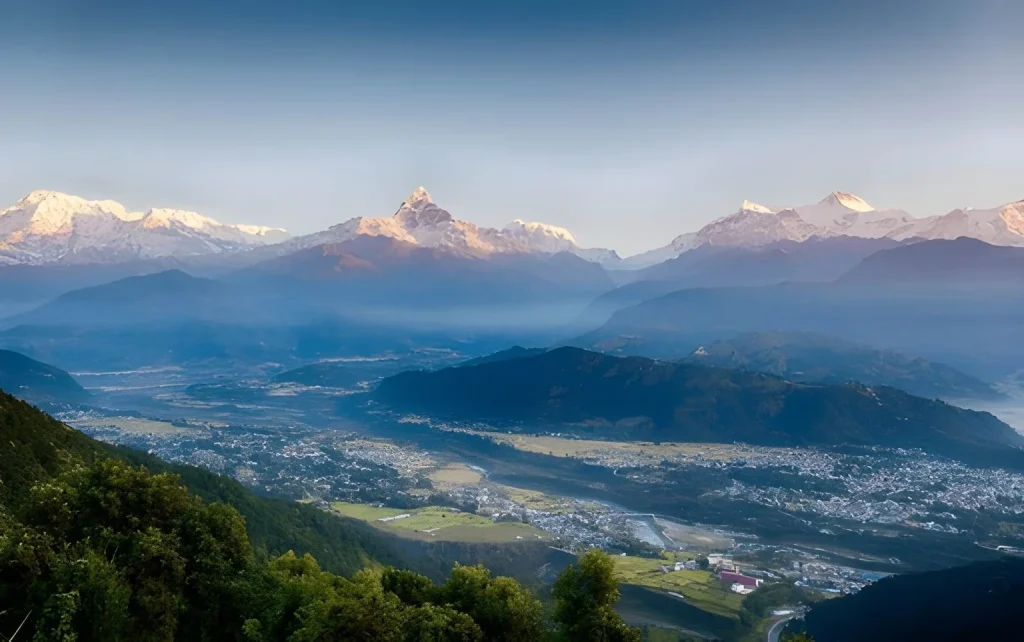
Every one of our journeys is private, so each can be shaped around the advice in force when you travel. To see how the days fit together, our tour plan for Nepal sets out two weeks in detail, and for what luxury means on the trail itself, start with our guide to luxury trekking in Nepal.
For most of the country, yes. On 5 October 2026 the US rated Nepal Level 2, Exercise Increased Caution, Canada advised a high degree of caution, and the UK did not advise against travel to any part of it. The exception is the area of Rasuwa hit by the 26 August 2026 flood, where the US says do not travel and Canada says avoid non-essential travel to Rasuwa and Nuwakot.
Broadly, yes. The UK describes a low rate of serious crime, and more than 1.15 million international visitors came in 2025, according to the Nepal Tourism Board. The main risks are physical ones: earthquakes, monsoon floods, mountain roads, domestic flights and altitude.
It carries real risk, mostly from the terrain and sudden mountain weather. A Nepali Times analysis found that 92% of air crash deaths in Nepal between 1952 and 2022 came when aircraft flew into mountains hidden in cloud. The UK lists every Nepali airline on its Air Safety List, so keep a spare day in your plans and never rush a flight in doubtful weather.
Yes, with the everyday care you would take in any large city. Canada and the UK advise women to take extra care when alone after dark in busy parts of Kathmandu, such as Thamel. On a private journey, a guide and a host from our office are with you through the day.
Yes. No advisory restricts Kathmandu, and the US says the demonstrations that began in September 2025 have stopped and the security situation is stable. Elections were held on 5 March 2026, and a new government took office later that month. Local protests can still happen, so keep away from any you come across.
Rasuwa district, north of Kathmandu, which was hit by the 26 August 2026 flood. The US says do not travel to the Rasuwagadhi, Timure and Syafrubesi area, and Canada advises against non-essential travel to Rasuwa and Nuwakot. Kathmandu, Pokhara, the Annapurna and Everest regions, Mustang, Chitwan and Bardia carry no area restriction.
The US State Department rates Nepal Level 2, Exercise Increased Caution, and says the security situation is stable. Americans were Nepal’s second largest group of visitors in 2025, with 112,316 arrivals, according to the Nepal Tourism Board.
Cover for the highest altitude on your itinerary, emergency medical treatment, and helicopter evacuation and repatriation. Canada notes that serious cases are often evacuated to Bangkok, New Delhi or Singapore, so check that your policy covers it.
Send us your questions about routes, costs or the best time to go — our travel experts in Nepal reply within 24 hours.

A tour plan for Nepal works best built around three or four places, not eight. The country is small on a map and slow on the ground, so the itineraries…
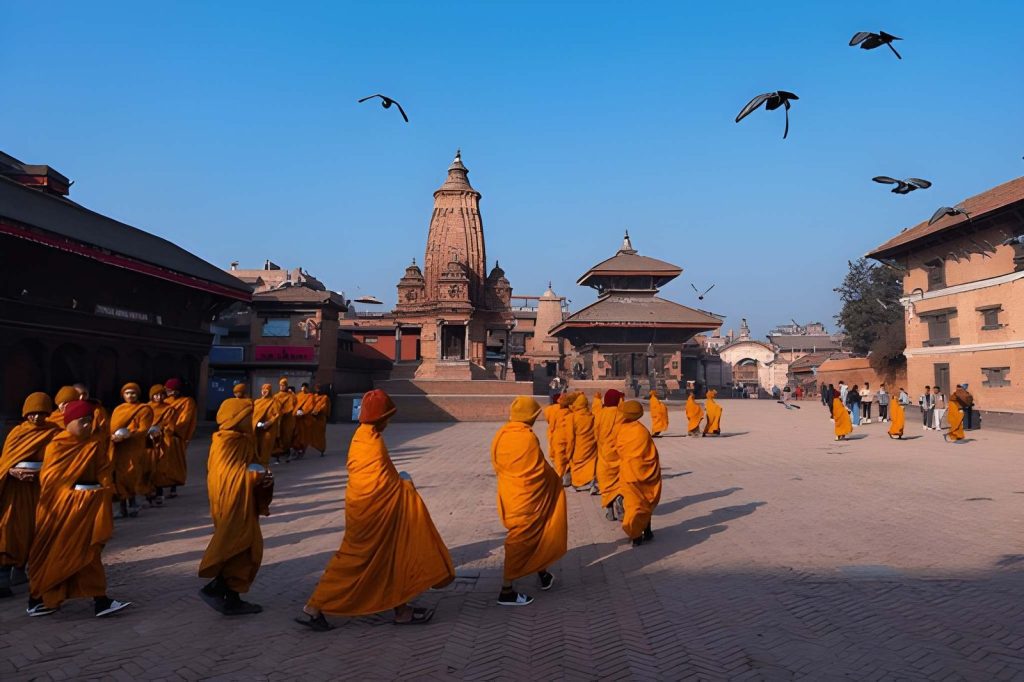
Autumn and spring dominate Nepal's trekking calendar. Nepal Tourism Board arrival figures show exactly how pronounced the pattern is.